
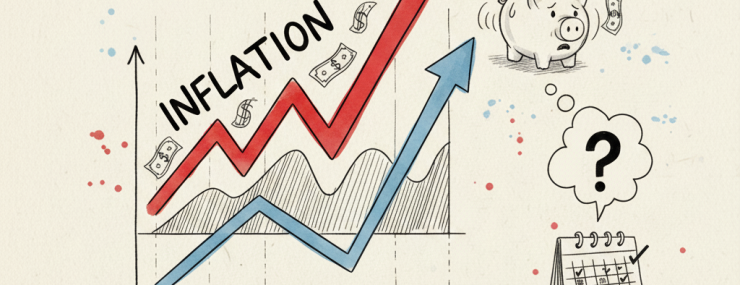
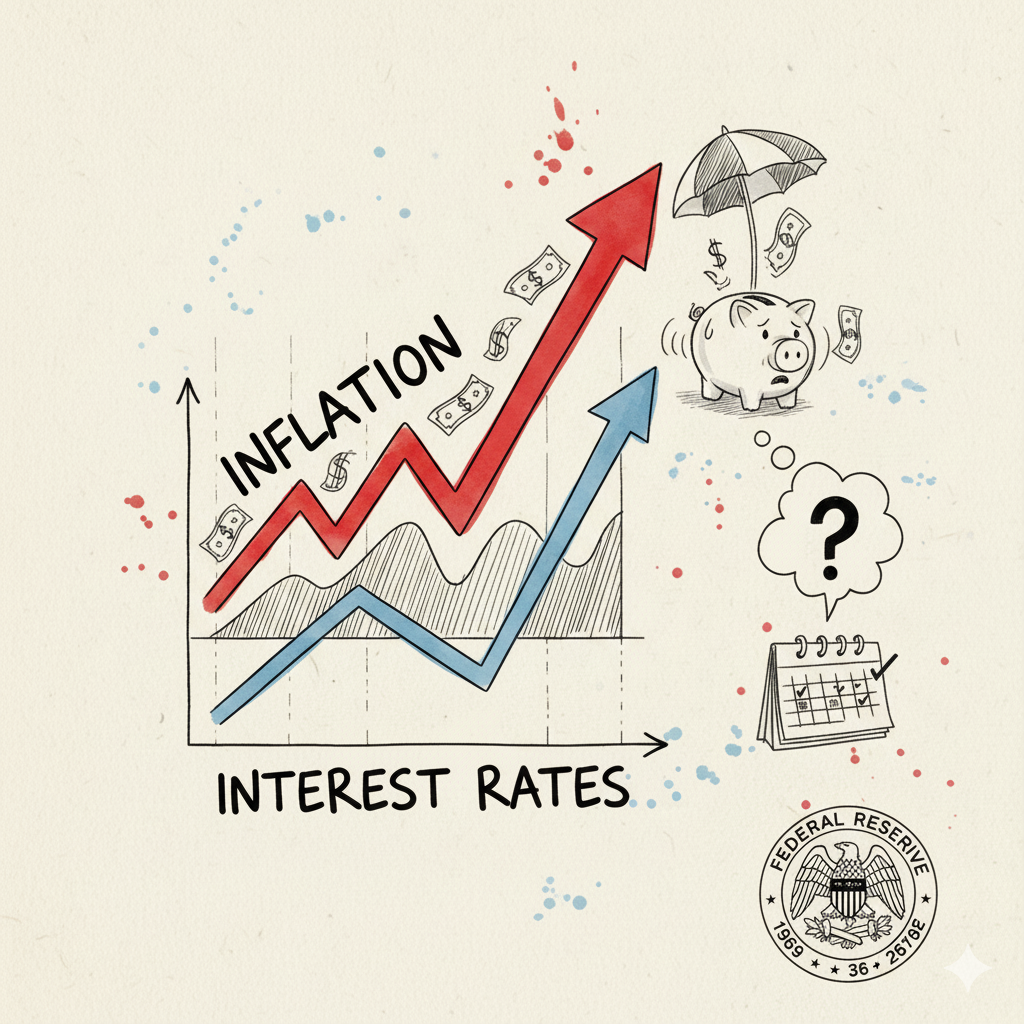
The possibility of a Federal Reserve interest rate cut in September has become a major topic of discussion among economists and investors. While the details can seem complex, understanding what this might mean for your personal finances is straightforward.
Understanding the Fed and Its Role
The Federal Reserve is the central bank of the United States. Its primary goals are to maintain stable prices and maximize employment. To achieve this, it can raise or lower the federal funds rate, a key interest rate that influences borrowing costs across the economy. Over the past few years, the Fed has raised this rate aggressively to combat high inflation.
Why a Rate Cut is on the Table (and What’s Complicating It)
Recent economic data suggests that the Fed’s efforts to control inflation have been effective, but the economic landscape is now more complex. While a Fed rate cut is widely anticipated by many market participants, the Federal Reserve is also concerned about the possibility of stagflation.
Stagflation is a challenging economic condition where the economy experiences stagnant growth and high unemployment at the same time as persistent inflation. The Fed is in a tricky spot because the traditional tools to fix one problem can worsen the other. For example, cutting rates to boost a slowing economy could also cause inflation to rise again. According to reports from sources like the Wall Street Journal and Investopedia, the Fed is carefully navigating these conflicting pressures.
The Impact on Your Finances
A Fed rate cut can influence various aspects of your financial life.
- Borrowing Costs: The most direct impact of a rate cut is on interest rates for loans. It typically leads to lower rates on things like mortgages, home equity loans, and car loans. If you are planning to purchase a home or refinance an existing mortgage, a rate cut could result in lower monthly payments, making the cost of borrowing more manageable.
- Savings and Investments: While lower rates are favorable for borrowers, they can also affect savings. Interest rates on savings accounts and certificates of deposit (CDs) may decline. This means it’s an important time to review your savings strategy to ensure you’re still earning a competitive rate. On the investment side, a rate cut is generally seen as a positive for the stock market, as it becomes cheaper for companies to borrow and grow.
In Summary
The possibility of an interest rate cut by the Federal Reserve is a significant development, but it’s part of a broader, more complex economic picture. While a rate cut would benefit borrowers and could signal a more stable economic outlook, the Fed’s concern about stagflation highlights the delicate balancing act they are performing. These broad trends are worth monitoring, but what’s most important is how they fit into your unique financial plan.
About Michael
Michael is a CFP® with over 15 years of experience working with families accumulating and preserving wealth. Do you need help planning for your financial future? Contact us today to set up a meeting to talk about your goals.