
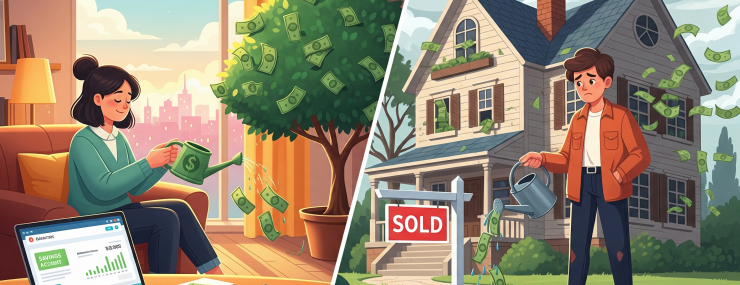
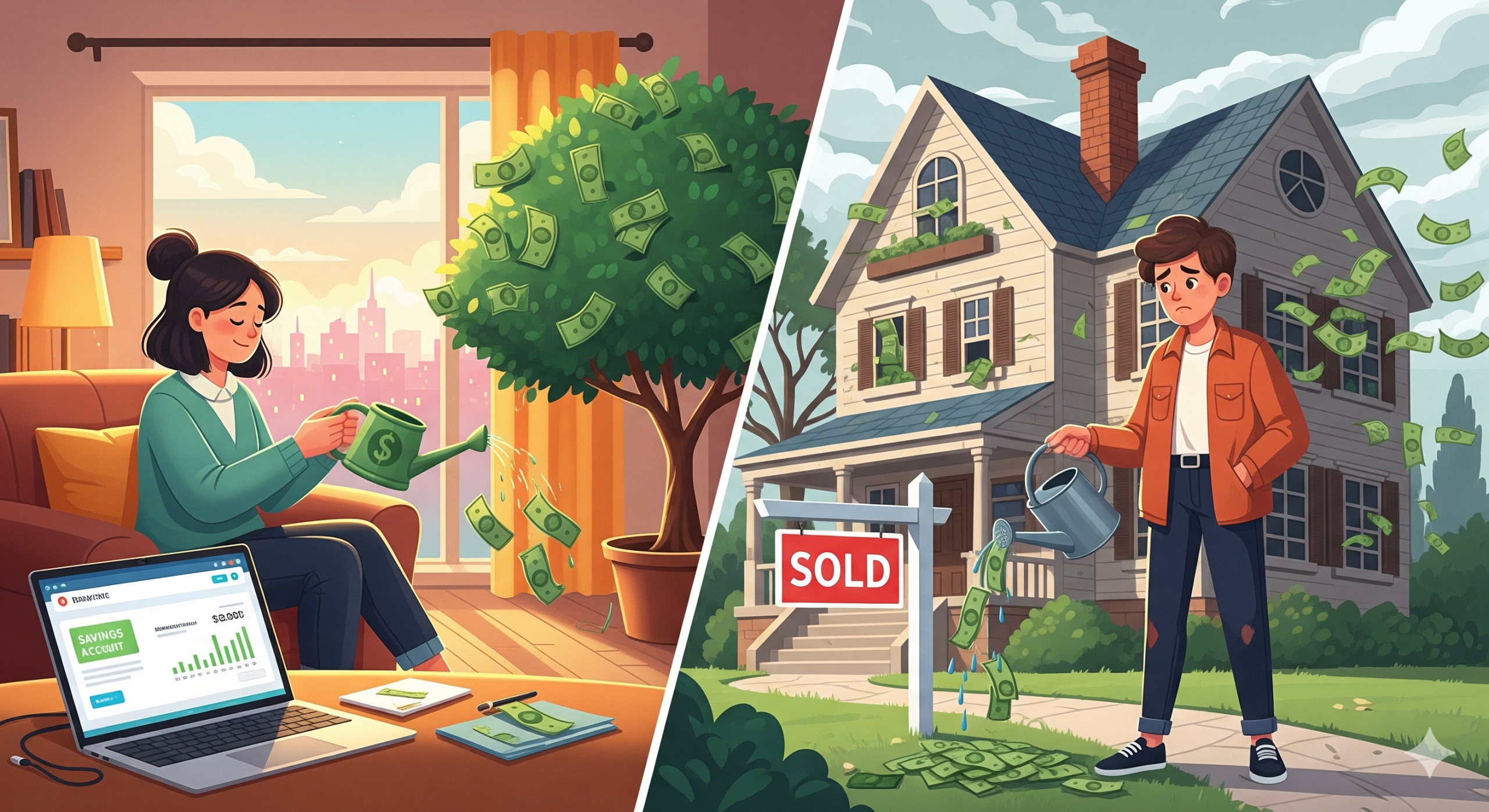
For generations, buying a home has been touted as the ultimate American dream. It’s a milestone that many people reach after getting married. The idea of owning your own slice of heaven, building equity, and having a place to truly call your own is deeply ingrained in our culture. But in today’s economy, for a lot of people, especially right now, jumping into homeownership might not be the smartest financial move. It’s a huge decision, and sometimes, renting can actually be the better path to financial freedom. For many, it’s a must, for many reasons, but take time to make sure you can make it happen without impacting your ability to save.
Just look at what’s happened with home prices, particularly in places like the Northeast. Since the COVID-19 pandemic hit, average home prices have absolutely skyrocketed. We’re talking about a massive surge that’s made getting into the market feel impossible for many. For instance, reports show that home prices in the Northeast saw some of the largest gains in the country. Housing prices have grown about 55% in the last 5 years. This insane climb means that the entry ticket to homeownership is more expensive than ever.
But the sticker price of a home is just the beginning. Many first-time buyers totally underestimate the total cost of homeownership. It’s not just your mortgage payment. There’s a whole parade of “hidden costs” that can sneak up on your budget. We’re talking about property taxes, which can be brutal depending on where you live. Then there’s homeowner’s insurance, which protects your biggest asset but isn’t free. Utilities often cost more than renters expect, especially in a larger space.
These hidden costs—repairs, landscaping, unexpected emergencies, and even things like HOA fees—can easily add thousands of dollars to your annual expenses. Suddenly, that “affordable” mortgage payment starts to look a lot heavier.
Because buying a home is such a massive financial commitment, it often forces people to delay or significantly reduce their contributions to critical accounts like retirement savings. The rule of thumb states that you shouldn’t allocate more than 28% of your gross income toward your mortgage. When every spare penny is going towards a down payment, closing costs, and then the never-ending stream of home-related expenses, it leaves precious little for your 401(k), Roth IRA, or HSA. We just talked about the power of saving early, right? Well, deferring those retirement contributions for years to buy a house can seriously hamstring your long-term financial health. You might get the house, but you could be sacrificing decades of compounding growth that could have made your retirement much more comfortable.
So, before you jump headfirst into the housing market, do your homework. Understand all the costs involved, not just the monthly mortgage. For many, especially in today’s wild market, renting offers more flexibility, fewer unexpected expenses, and the freedom to truly build up those crucial retirement savings. Sometimes, the “American Dream” looks a little different for everyone, and that’s perfectly fine.
About Michael
Michael is a CFP® with over 15 years of experience working with families accumulating and preserving wealth. Do you need help planning for your financial future? Contact us today to set up a meeting to talk about your goals.